Scalable Email Automation: Campaigns for 10,000+ Subscribers in 2025

Building effective email campaigns for over 10,000 subscribers in 2025 necessitates robust scalable email automation strategies, integrating advanced platforms and personalized content to maximize engagement and conversion rates.
In the rapidly evolving digital landscape of 2025, mastering scalable email automation is no longer just an advantage but a fundamental necessity for businesses aiming to connect with substantial audiences. As your subscriber list expands beyond the 10,000 mark, manual processes become unsustainable, hindering growth and diminishing the impact of your communication. This guide will explore the essential strategies and tools required to build, manage, and optimize email campaigns that not only reach but truly resonate with a large and diverse subscriber base.
Understanding the Imperative of Scalable Email Automation
As businesses grow, so does their audience, and with that growth comes the increasing complexity of communication. Reaching 10,000, 50,000, or even 100,000 subscribers requires a paradigm shift from manual outreach to sophisticated automated systems. Scalable email automation ensures that every subscriber receives timely, relevant, and personalized messages without overwhelming your marketing team, maintaining consistency and efficiency across all your campaigns.
The Shift from Manual to Automated Workflows
Historically, email marketing involved significant manual effort, from drafting individual emails to segmenting lists by hand. While this approach might suffice for smaller lists, it quickly becomes a bottleneck as your subscriber count swells. Automation frees up valuable time and resources, allowing marketers to focus on strategy, content creation, and optimization rather than repetitive tasks. This shift is critical for sustained growth and maintaining a high level of engagement.
- Efficiency Gains: Automate repetitive tasks like welcome series, re-engagement campaigns, and promotional blasts.
- Error Reduction: Minimize human error in segmentation and message delivery.
- Resource Optimization: Reallocate team efforts from manual execution to strategic planning and analysis.
- Consistent Messaging: Ensure brand voice and message consistency across all automated communications.
The imperative isn’t just about sending more emails; it’s about sending smarter emails. Scalable systems allow for dynamic content, advanced segmentation, and behavioral triggers that make each interaction feel personal, even when delivered to tens of thousands of recipients. This level of personalization is what truly drives conversions and builds lasting customer relationships in a competitive market.
Choosing the Right Platform for High-Volume Campaigns
The foundation of any successful scalable email automation strategy lies in selecting the appropriate platform. Not all email service providers (ESPs) are created equal, especially when dealing with large subscriber volumes and complex automation needs. In 2025, the market offers a range of sophisticated tools designed to handle the demands of extensive email ecosystems.
Key Features to Look for in an ESP
When evaluating platforms, prioritize those that offer robust features essential for managing high-volume campaigns. These include advanced segmentation capabilities, intuitive workflow builders, comprehensive analytics, and reliable deliverability. A platform’s ability to integrate seamlessly with your existing CRM, e-commerce, and other marketing tools is also paramount to creating a unified customer experience.
- Advanced Segmentation: Segment by behavior, demographics, purchase history, and engagement levels.
- Workflow Automation: Drag-and-drop builders for complex customer journeys.
- A/B Testing: Optimize subject lines, content, and send times for better performance.
- Deliverability Tools: Features to monitor sender reputation and ensure inbox placement.
- API Integrations: Connect with other essential business applications for data synchronization.
Consider platforms like HubSpot, Salesforce Marketing Cloud, Braze, or ActiveCampaign, which are known for their scalability and comprehensive feature sets. Each offers unique strengths, so a thorough assessment of your specific business needs, budget, and technical capabilities is crucial. A platform that grows with you, offering flexible pricing tiers and expandable features, will be a valuable asset for years to come.
Crafting Engaging Content for Diverse Segments
Even the most sophisticated automation platform is ineffective without compelling content. For large subscriber bases, content needs to be highly relevant and personalized to cut through the noise. This requires a deep understanding of your audience segments and the ability to dynamically adapt messages to their specific needs and preferences.
Personalization at Scale
Personalization goes beyond merely addressing subscribers by their first name. It involves tailoring content based on their past interactions, geographical location, purchase history, browsing behavior, and stated preferences. Dynamic content blocks, which change based on recipient data, are powerful tools for achieving this at scale. For example, an e-commerce brand can automatically display product recommendations based on a customer’s recent views or purchases.
Developing rich, varied content that speaks to different segments is key. This might include educational articles, exclusive offers, product updates, event invitations, or community highlights. The goal is to provide value in every email, fostering a sense of connection and trust with your brand. Regularly refresh your content strategy to keep messages fresh and relevant, preventing subscriber fatigue.
Implementing Advanced Segmentation Strategies
Segmentation is the cornerstone of effective scalable email automation. For lists exceeding 10,000 subscribers, generic blast emails are a recipe for high unsubscribe rates and low engagement. Advanced segmentation allows you to group subscribers based on specific attributes and behaviors, enabling highly targeted and relevant communication.
Behavioral and Demographic Segmentation
Start with foundational demographic segmentation (age, location, industry) but quickly move to behavioral segmentation. This includes tracking website visits, email opens and clicks, purchase history, cart abandonment, and content consumption. For instance, you might create segments for:
- New Subscribers: Those who recently opted in, receiving a welcome series.
- Engaged Customers: Frequent purchasers or highly active users, receiving loyalty programs or exclusive previews.
- Lapsed Users: Subscribers who haven’t engaged in a while, targeted with re-engagement campaigns.
- Product-Specific Interest: Users who have viewed or purchased certain product categories, receiving related recommendations.
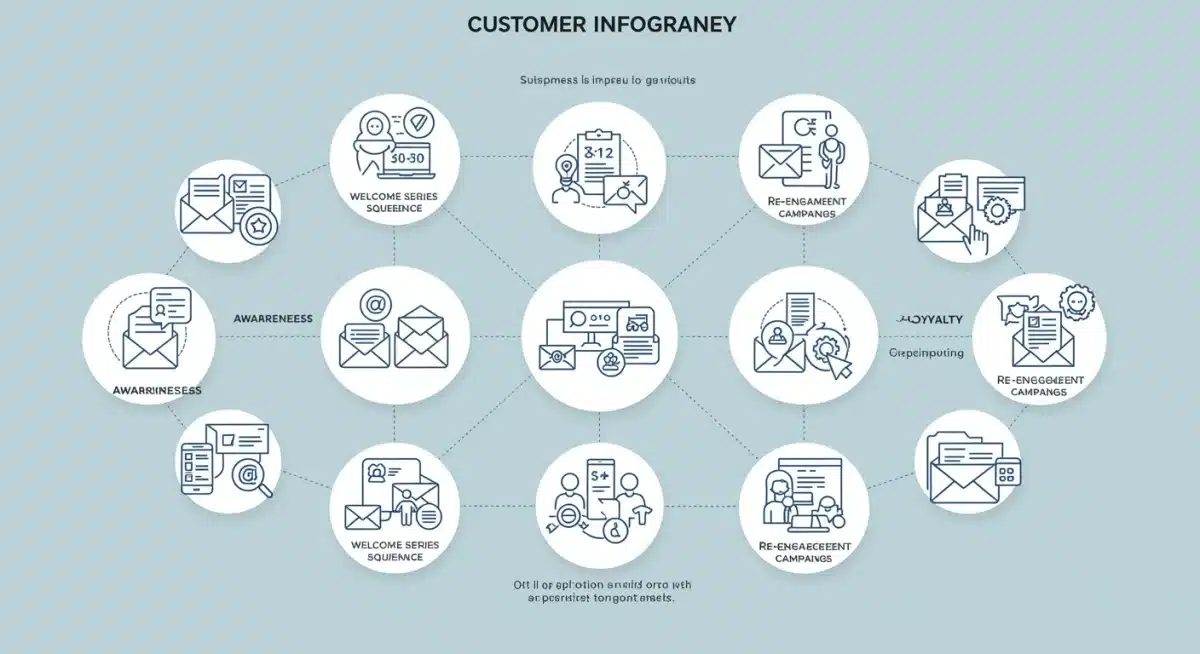
The more granular your segmentation, the more relevant your messages become. Regularly analyze your data to refine these segments, ensuring they remain accurate and effective. Utilize A/B testing within segments to understand what resonates best with each group, continuously optimizing your approach.
Optimizing Deliverability and Sender Reputation
Sending emails to over 10,000 subscribers means deliverability becomes a critical concern. Getting your emails into the inbox, rather than the spam folder, directly impacts your campaign’s success. Maintaining a strong sender reputation is paramount and requires proactive management.
Best Practices for Inbox Placement
Several factors influence deliverability, including your IP reputation, domain authentication, content quality, and recipient engagement. Implementing best practices is crucial:
- Email Authentication: Set up SPF, DKIM, and DMARC records to verify your sender identity.
- List Hygiene: Regularly clean your list by removing inactive or invalid email addresses.
- Engagement Monitoring: Track open rates, click-through rates, and complaint rates. Low engagement or high complaints can signal issues.
- Content Quality: Avoid spam triggers like excessive capitalization, too many exclamation marks, or suspicious links.
- Sender Score Monitoring: Use tools to monitor your sender score and address any drops promptly.
Actively encourage subscribers to whitelist your email address and provide clear unsubscribe options. A high volume of spam complaints or bounces can severely damage your sender reputation, leading to emails being blocked by ISPs. Proactive management and adherence to email marketing best practices are non-negotiable for scalable success.
Measuring Success and Continuous Optimization
The work doesn’t stop once your scalable email automation campaigns are launched. Continuous monitoring, analysis, and optimization are essential for maximizing their effectiveness. For large subscriber bases, even small improvements in metrics can lead to significant gains in ROI.
Key Performance Indicators (KPIs) for Email Automation
Focus on KPIs that provide actionable insights into your campaign’s performance. Beyond open and click-through rates, delve into conversion rates, revenue per email, unsubscribe rates, and list growth. Analyze these metrics across different segments and automation workflows to identify areas of strength and weakness.
- Conversion Rate: The percentage of recipients who complete a desired action (e.g., purchase, download).
- Revenue Per Email: The average revenue generated for each email sent.
- Churn Rate: The rate at which subscribers unsubscribe or become inactive.
- Customer Lifetime Value (CLV): How email interactions contribute to the long-term value of a customer.
- ROI: The overall return on investment for your email marketing efforts.
Utilize A/B testing extensively to experiment with different subject lines, call-to-actions, email layouts, and send times. Leverage the analytics provided by your chosen ESP to gain deep insights into subscriber behavior. This data-driven approach allows for iterative improvements, ensuring your scalable email automation strategy remains agile and highly effective in achieving your business objectives in 2025 and beyond.
Future-Proofing Your Email Automation in 2025
The digital marketing landscape is constantly evolving, and email automation is no exception. To ensure your strategies remain effective for 10,000+ subscribers in 2025 and into the future, it’s crucial to stay ahead of emerging trends and technologies. This proactive approach ensures your campaigns continue to deliver value and maintain a competitive edge.
Embracing AI and Machine Learning
Artificial intelligence (AI) and machine learning (ML) are rapidly transforming email marketing. These technologies can enhance personalization by predicting subscriber behavior, optimizing send times, and even generating dynamic content. For example, AI-powered tools can analyze vast amounts of data to determine the optimal subject line for a specific segment or personalize product recommendations with unprecedented accuracy. Integrating these capabilities into your automation platform will be a significant differentiator.
Furthermore, consider the increasing importance of privacy regulations and data security. Ensuring your email automation practices are compliant with laws like CCPA and GDPR is not only a legal requirement but also builds trust with your audience. Transparency in data usage and clear consent mechanisms will be key. Investing in platforms that prioritize security and offer robust compliance features will be essential for future-proofing your email marketing efforts.
| Key Aspect | Brief Description |
|---|---|
| Platform Selection | Choose ESPs with advanced segmentation, automation, and deliverability features for large lists. |
| Content Personalization | Tailor content dynamically based on subscriber behavior, demographics, and preferences. |
| Advanced Segmentation | Group subscribers by detailed attributes and behaviors for highly targeted campaigns. |
| Deliverability & Reputation | Implement SPF/DKIM/DMARC, list hygiene, and engagement monitoring to ensure inbox placement. |
Frequently Asked Questions About Scalable Email Automation
Scalable email automation refers to the process of designing and implementing email marketing strategies that can effectively manage and engage a rapidly growing number of subscribers, typically 10,000 or more, without compromising personalization or efficiency, primarily through advanced software and strategic workflows.
Advanced segmentation is crucial because it allows marketers to deliver highly relevant and personalized content to specific groups of subscribers based on their demographics, behaviors, and interests. This approach significantly boosts engagement rates and conversions compared to sending generic messages to an entire large list.
For 10,000+ subscribers, platforms like HubSpot, Salesforce Marketing Cloud, Braze, and ActiveCampaign are highly recommended. They offer robust features such as advanced automation, comprehensive analytics, strong deliverability tools, and extensive integration capabilities essential for managing large-scale campaigns effectively.
To improve deliverability for high-volume sends, focus on email authentication (SPF, DKIM, DMARC), maintaining a clean subscriber list, monitoring engagement metrics closely, avoiding spam trigger words, and regularly checking your sender score. These practices help ensure your emails reach the inbox.
AI and machine learning will play a transformative role in future email automation by enabling hyper-personalization, predictive analytics for optimal send times, dynamic content generation, and advanced behavioral segmentation. These technologies will streamline campaign optimization and enhance overall effectiveness for large subscriber bases.
Conclusion
Building and managing successful email campaigns for 10,000+ subscribers in 2025 demands a strategic blend of robust technology, compelling content, and continuous optimization. By embracing scalable email automation, businesses can transform what might seem like an overwhelming task into a powerful engine for engagement and growth. The future of email marketing is intelligent, personalized, and efficient, ensuring that every message delivered contributes meaningfully to your overarching business objectives.